Hey guys and girls,
this is a fantastic website that gets little to no attention here. It is called Playfulbet. What is it? Is is a social sport betting website where you bet coins for free and win prizes or/and cash. How many coins do they give on start? They give 4000 coins and you can earn more by signing in by Facebook and by completing offers and betting on sports. What can I win? You can win prizes and cash, it is your choice. Below is a image with all prizes available and required coins.
What happens if I loose all points while betting? You are given 4000 coins each 12 hours if you lose everything.
Does the website has a referring system? Yes it has. You earn 10.000 coins each time a friend is invited. He/she needs to win at least 3 bets and login by Facebook.
How does the challenges work?? Challenges are a very good option to earn extra coins while betting.
Imagine that you have two friends. Both of them bet on a game that you
have bet too. You bet on team A, one of them bet on A too, and the other
bets on B. Since you have a different bet from the B, you can challenge
him. If you win your bet, you will not only win it, but you will win an
extra 100 coins. The maximum points you can earn is the maximum you
bet. Imagine that you bet 1000 coins and challenge 20 people. For each
person you will earn 100 extra coins, but since you bet only 1000, you
can only earn 10*100=1000.
How can I make a challenge? It is very simple. After you make a bet, you'll see a tab next to
chat saying "challenges". You click there and challenge who is available
to be challenged. She/he will need to accept your challenge. If you see
a green icon on top right after your nickname, it means that you have
new friendship requests or challenges requests. Accept them all
I want to challenge people but I don't see anybody to challenge. Why is that? To challenge someone, you need to be his/her friend. That's why
people write on the chat that they accept challenges/friend requests.
You can do the same thing.
How can I be friend of someone in order to make challenges? Go to someone's profile and on the bottom choose to send a friend request.
Tips
If you are my referral, send me a private message including your name in
the website, and I'll reply with some tips so you can earn coins in
easier ways
Website language
Seems like that they removed english from their website but you can
still use it as your prefered languaged. You just need to change the
letters to "en" on the link.a
Huawei Honor V8 smartphone is coming your way on
1oth May, 2016 as the smartphone is expected to be unveiled on this very
day by the company in an event in China. The smartphone is said to be
the successor of the Huawei Honor 7 and is coming up with the specifications that are pretty much same like that of P9.
Huawei recently launched the P9, P9 Plus in the smartphone market whereas the P9 Lite was accidently goes official on the website of the company.
Though there are no wording from the company about the presence of the
device but our news is pretty much strong that this device is going to
make its presence feel on 10th May in China.
Full Specifications –
This new smartphone is having the 5.7 – inch of Full HD or QHD
variants of capacitive touchscreen display with the IPS panels on both
the variants. Also there is the presence of the 2.5D of the curved glass
on the top of the display. The top end variant of the smartphone is
featuring the 2560 x 1440 pixels of the 2K resolutions display.
When it comes to the memory unit of this new smartphone device then
it boards the 4 GB of RAM on slot with the two different variants of the
internal storage. The full HD display variant is having the 32 GB of in
– built memory while the other one that is Quad HD variant is having
the 64 GB of internal storage capacity. Also there is presence of the
microSD card slot in this device for the further expansion of the
internal memory.
Huawei Honor V8 specifications are driven by the 2.3
GHz Octa – Core processor that is powered by the HiSilicon Kirin 950
SoC which is having the support from the Mali GPU. Also the smartphone
is having the support of Android v6.0 – Marshmallow operating system out
of the box over the Emotion v4.1 user interface.
The
smartphone sports the Dual 12 MP of the rear facing camera unit with
laser auto – focus, geo – tagging, touch – focus, panorama, HDR, face –
detection and Dual toned Dual LED Flash light features. The rear facing
primary camera is capable of the 1080p of HD video recording. In the
front there is presence of the 8 MP of the secondary camera and it is
also capable of the 1080p of HD video recording.
The smartphone is having all sorts of the latest features with WiFi
with WiFi – Direct – Hotspot – DualBand – DLNA, Bluetooth v4.2, A2DP,
GPS with A – GPS, GLONASS, BDS, Infrared, NFC (optional/market
dependent) and Type – C reversible connector USB. Also the presence of
the Fingerprint, accelerometer, compass, gyro and proximity sensors make the device a great one to buy.
The device is packed with the Non – removable Li – Po 3500 mAh battery and is available in various different color options.
Price –
Huawei Honor V8 specifications are pretty awesome and can compete with any other smartphone in the price range where it is placed in the market so the Huawei Honor V8 price is also another factor that can make you go for this new device.
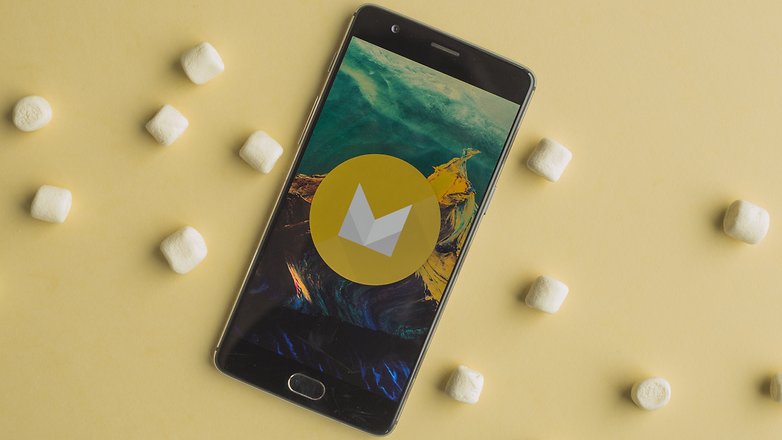
The OnePlus 3 was launched today (June 14, 2016) via the global ‘Loop
VR’ event publicized a couple of weeks ago. It will be sold in the US
for $399 and Canada for $519. In the UK it’ll cost £309, while in Europe
 it will set you back €399. It goes on sale tomorrow, June 15, in India
for ₹27,999 and also in China for 2499 RMB. We’ll update this section as
 more availability details are released
As mentioned, the big news is that the OnePlus 3 will
be available invite-free from launch day. This is the first time
OnePlus will sell a phone the ‘regular’ way. This is great news if
you’ve been frustrated with the system before.
OnePlus 3 design and build quality
While the OnePlus One was a large, sandstone-textured performance beast,
the OnePlus 2 had a more refined design. The OnePlus 3 doesn't leap a
great distance from its predecessor, but is another instance of where
OnePlus has applied small changes to its formula. In my opinion, the OnePlus 3 is the best-looking piece of hardware
OnePlus has made. At 158g, it’s lighter than either the One or the 2,
which are 162g and 175g, respectively. From the back, the anodized
aluminum unibody, at 7.35mm in thickness, has an attractive minimal
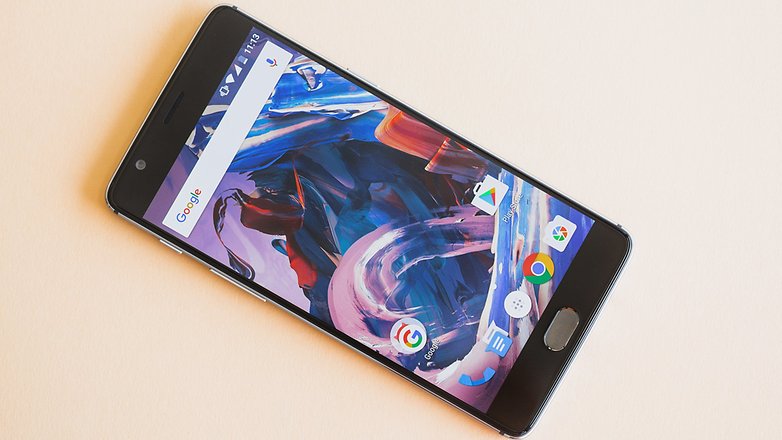
design. It's sparse. The call speaker sits above the display, along with
the front-facing camera to its left. To the left of the camera is the
notification light.
Beneath the display is a fingerprint sensor, which also doubles as the
home button. As with every front-facing sensor like this, you’ll need to
take hold of the device with two hands to give your thumb an accurate
aim. The sensor is fast when you get it right (and you mostly will),
unlocking in up to 0.3 seconds, according to OnePlus. The sensor also
has bling quality with its glossy ceramic construction.
On the left side of the OnePlus 3 is the volume rocker, which sits
beneath the notification slider, and on the right side is the sleep/wake
button and dual-SIM card tray. All three of these buttons have a
pleasingly tactile click. There isn’t much to see on the rear.
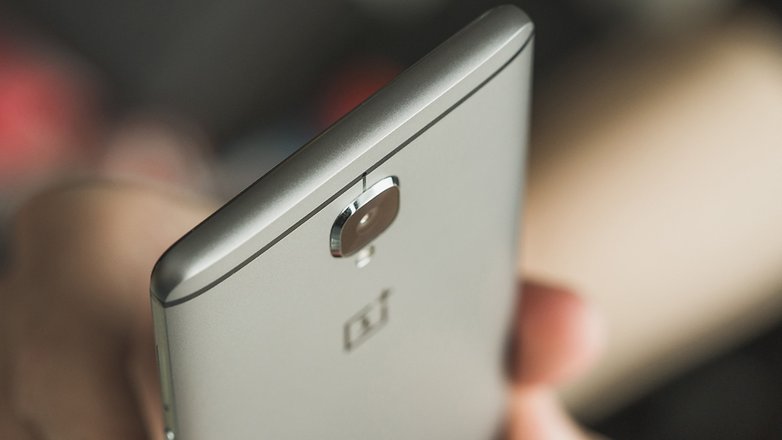
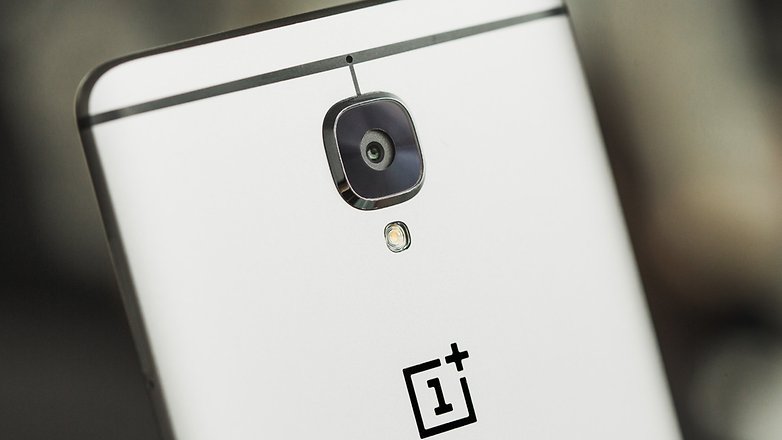
Beautifully minimal, there is the protruding main camera sensor,
flashlight, company logo and the antennas above and below. The
combination of hard and soft lines, subtle color variation and even how
the anodized aluminum disperses light, give the OnePlus 3 a fine finish.
Then there's the size. With a 5.5-inch display, and as with every
other phablet, this phone is a little too large to comfortably fit in
trouser pockets. Its thinness helps pocketability, but if the issue of
practicality is a major one for you, or if you've never owned a phablet
before, then you mightn’t get along with the OnePlus 3.
I can’t
help but draw a comparison with the HTC 10, as the back of both phones
are very similar in appearance. The main difference is that the HTC 10
has chamfered edges, while the OnePlus 3 has rounded ones. The OnePlus 3
is available in graphite at launch, with a ‘soft gold’ color to follow.
OnePlus 3 display
The OnePlus 3 display is a 5.5-inch, Full-HD AMOLED
panel with dimensions of 1920 x 1080p, giving it a pixel density of 401
ppi (the same pixel density as the previous two generations). The 2.5D
screen is made of Gorilla Glass 4, which is reportedly more resistant to
shattering than previous iterations but, with that smooth aluminum
unibody, I’d still lean towards using a case.
Overall, the display
is pleasing to use, with oversaturated colors and deep blacks typical
of AMOLED panels. Tolerances are also tight. The panel sits very close
to the glass and the bezels, at 0.75 mm each, are also small.
We weren’t so impressed with the OnePlus 2’s display,
and not much has changed this time around. The panel is adequate, but,
in 2016, it’s a little underwhelming. You’ll be satisfied during daily
use, but it can’t compete with the richness of the QHD displays you’ll
get in a Samsung Galaxy device, or even in a Moto X Pure (now the Moto
Z).
While maintaining this resolution has performance benefits, it
could be a drawback if you’re interested in pairing it with a VR
headset, particularly as OnePlus has now teamed with Ant VR to release
the Loop VR headset, which was also sent to me for testing.
OnePlus 3 special features
While in our OnePlus 2 review we discussed the
introduction of a fingerprint scanner and the surprise dropping of NFC,
you’ll be pleased to know that both of these features are in the OnePlus
3. Aside from OnePlus marketing this device as VR friendly, with a
global virtual reality launch adding a level of interactivity to the
release, the most interesting new feature this time around is Dash
Charge.
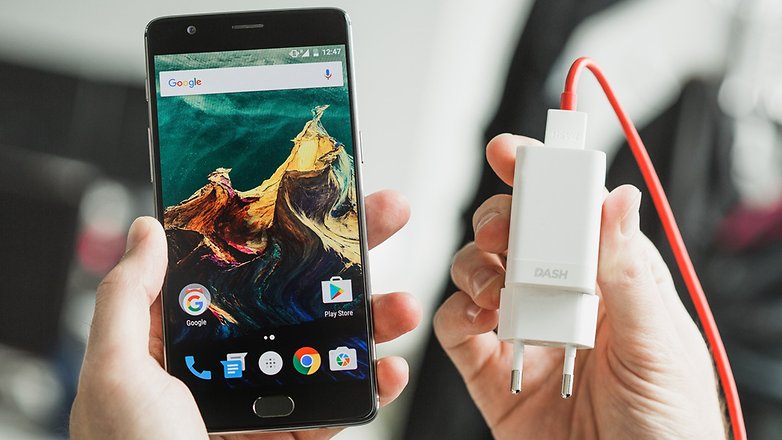
This is OnePlus’s first foray into quick charging. Dash can
charge the battery to 60 percent in around 30 minutes. It does this by
moving the bulk of the phone’s power management to the adapter, meaning
that most of the heat generation that charging causes is kept away from
the phone itself, just like other quick charging setups.
This is OnePlus’s first foray into quick charging
Dash Charge provides you with two main benefits. The
first is that you can charge the OnePlus quickly and, in my testing, it
took a little more than one hour to reach 100 percent. The second,
OnePlus claims, is that performance isn’t throttled as much as with
other fast charging systems. This could be handy if you want to continue
gaming while the phone charges but, otherwise, is nice to have but
mightn’t be of much benefit to you.
But also note that, although Dash Charge is a useful new
feature, you'll be stuck carrying around the wall adapter that comes
with the OnePlus 3. If you try and use another quick charge adapter, it
won't work. Something to bear in mind if you use accessories that might
conflict with this.
OnePlus 3 software
I’ve previously had some issues with OnePlus's Oxygen
OS user-interface, namely small bugs and choppy animations, when
compared to stock Android. Oxygen has matured since last year and now
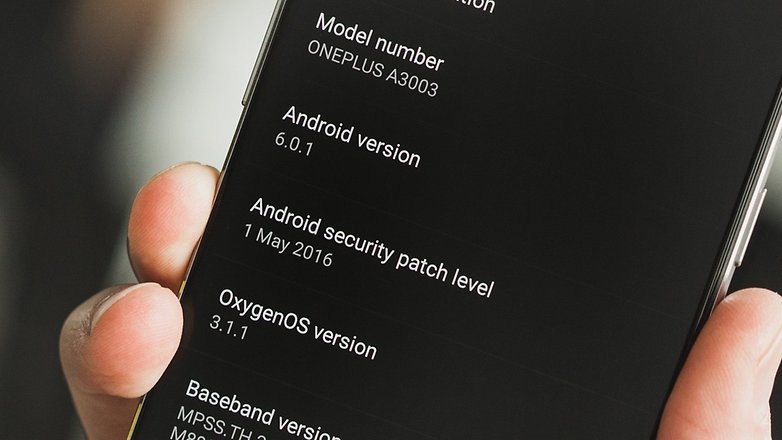
I’d call it a worthy alternative. The OnePlus 3 comes loaded with Oxygen
OS 3.1.1, which this review is based on, and was updated to Oxygen OS
3.1.2 a day before launch. If you haven’t tried it yet, this is a
skinned version of Android 6.0.1 Marshmallow. It has the usual
customizations that you’d be used to, such as dark mode, along with
‘Shelf’, which you’ll find when swiping right from the home screen. This
is OnePlus’s alternative to Google Now on Nexus devices, or Samsung’s
inclusion of Flipboard into TouchWiz. You can use it to host a
collection of apps, shortcuts and widgets. It’s more or less the same as
in previous versions of Oxygen.
Features in Oxygen OS 3.1.1 include night mode, support for
custom icon packs and the Marshmallow-derived Doze Mode and app
permissions. There isn’t much bloatware to speak of, thankfully,
although you’ll find the usual suspects already preinstalled – namely
SwiftKey and Google apps like Maps and Chrome.
The software experience with Oxygen is smoother and steadier
Overall, the software experience with Oxygen is smoother
and steadier than it was last year. Although OnePlus phones have
traditionally been popular with the geek set, the OnePlus 3 could be an
alternative to the Galaxy S7 Edge, or an iPhone 6s. Its reliability and
palpable design give it mainstream potential. But if you’re not
satisfied with Oxygen, worry not. Its bootloader is unlocked from the
factory, so you can flash ROMs if you’d prefer.
OnePlus 3 performance
Now the lion awakens. Hardware performance is where
the OnePlus 3 overperforms. If you expect nothing more from this phone
than raw power, whether for intensive gaming or simply to know you have
it, then now is a good time to sit up in your seat. Here it is: the
OnePlus 3 is one of the most powerful phones we’ve ever tested at AndroidPIT.
It has a quad-core Snapdragon 820, with two cores clocked at
2.2 GHz and the other two at 1.6 GHz. This is combined with an Adreno
530 GPU, 6 GB of LPDDR4 RAM and 64 GB of internal storage. The
Snapdragon 820 performs very well in the OnePlus 3, without the
throttling burdens that the OnePlus 2 experienced with its easily
overheated Snapdragon 810.
The OnePlus 3 is one of the most powerful phones we’ve ever tested
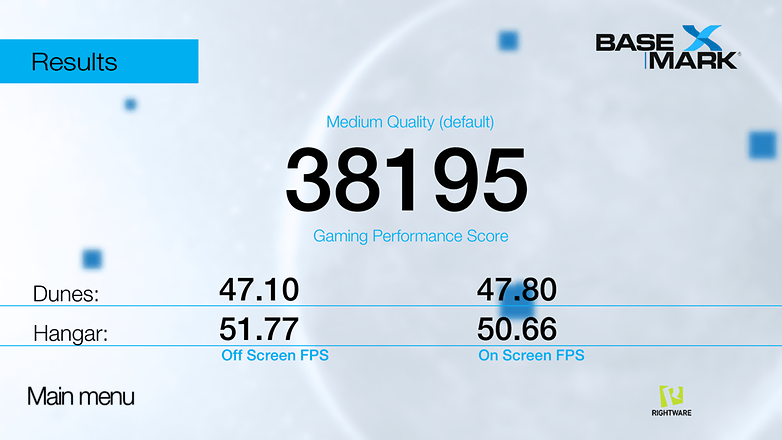
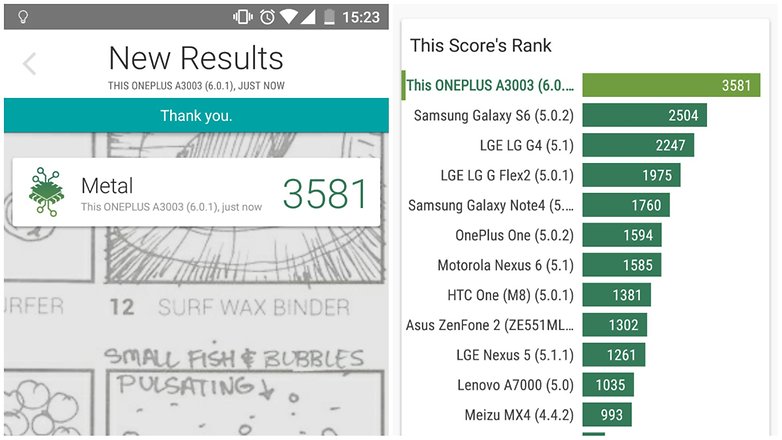
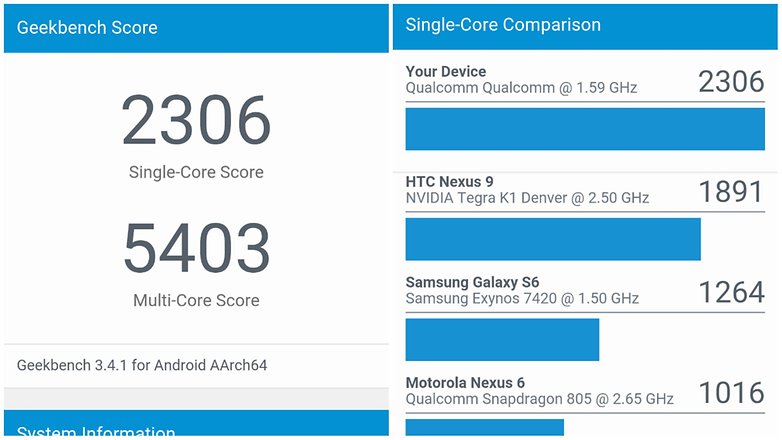
I ran a series of benchmarks over several days to test
OnePlus 3 processor, graphics and battery performance. They included
Vellamo Metal and Multicore, AnTuTu Benchmark, AnTuTu Tester (battery),
Geekbench 3 and Basemark X, both in medium and high modes. I ran the
tests three times and then calculated an average. What was the final
result? The OnePlus 3 performed better than the incumbent number one –
the Exynos 8890 variant of the Galaxy S7.
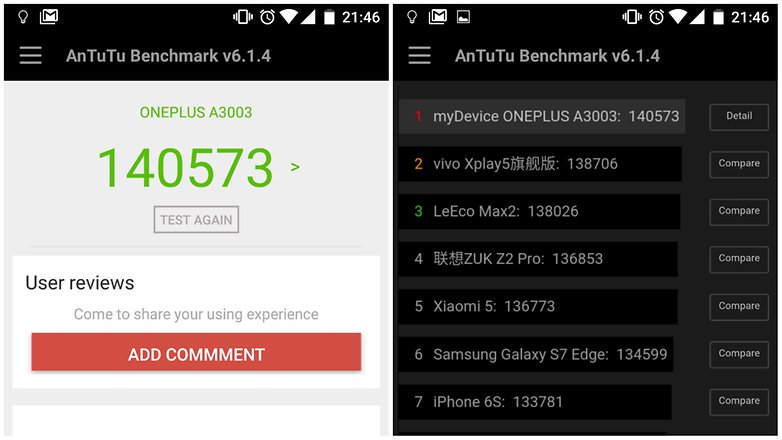
Interestingly, and to be taken with a pinch of salt, the
best AnTuTu Benchmark score was 140,573 points. Compare this, also with
some skepticism, to the ANTuTu benchmark we ran on the OnePlus 2 last
year: around 62,000. This puts the OnePlus 3, at least for now, at the
top of the smartphone pile for raw performance. But what does this
actually mean?
In everyday life, very little. You won’t be accessing the
full processing and graphical capabilities as you view cat pictures in
Chrome, or make grey ticks blue in WhatsApp. But if you use
power-intensive apps, most probably games, then you can be confident
that the OnePlus 3 will run these at high frame rates for at least the
next couple of years. I think that for many potential customers of
this phone, owning this power at a significantly lower price than the
current stable of flagships is reason enough to buy it. Leaving a
Ferrari in the garage doesn’t hurt anyone, after all.
OnePlus 3 audio
In its speaker grille design, the OnePlus 3 departs
slightly from the OnePlus 2. It has only one bottom-facing grille, which
makes sense for its mono-speaker setup. The OnePlus 2 had a second
grille to maintain design symmetry rather than channel actual sound,
which makes little sense. Switching to one grille has another
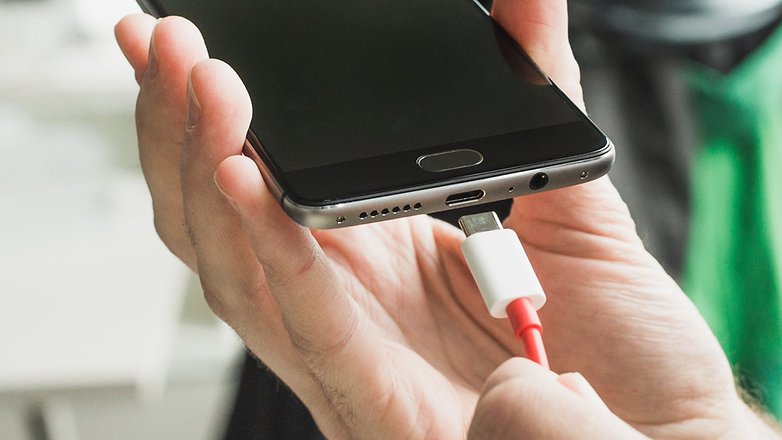
benefit, namely that the 3.5 mm headphone jack and one of the
microphones have been relocated from the top of the phone to where one
of the grilles used to be. This gives the phone a cleaner and more
functional design. Sound quality from the bottom-facing speaker is
good, with rich mid-range tones and crisp treble. Don’t go throwing out
your Bluetooth speakers just yet, but this is a decent driver that’ll
get the job done. Audio call quality is also satisfactory, with the call
speaker producing warm tones even at higher volumes, working in tandem
with noise-cancelling dual microphones.
OnePlus 3 camera
I found the OnePlus 3 camera to be one of the weaker
components in the overall package. On the rear is a 16 MP Sony IMX 298
sensor with an aperture of f/2.0. It features both optical and
electronic image stabilization, along with phase-detection autofocus,
RAW image support and 4K video capabilities.
The manual controls, such as for aperture and ISO, might suit
your needs if you’re a more serious photographer. I’d even recommend
increasing the shutter speed if you’re shooting moving objects, as
indoor subjects often blurred when I was using automatic mode. Image
quality is good overall, but low-light performance wasn’t as good as I’d
hoped. Quite a lot of noise appeared on my subjects’ skin.
If you're not used to it, or if you shoot quickly
like I do, be aware that a stabilized lens might need a short moment to
steady itself after your hands stop moving. Not a problem specific to
the OnePlus 3, but there can be slight warping if you press the shutter
release too quickly.
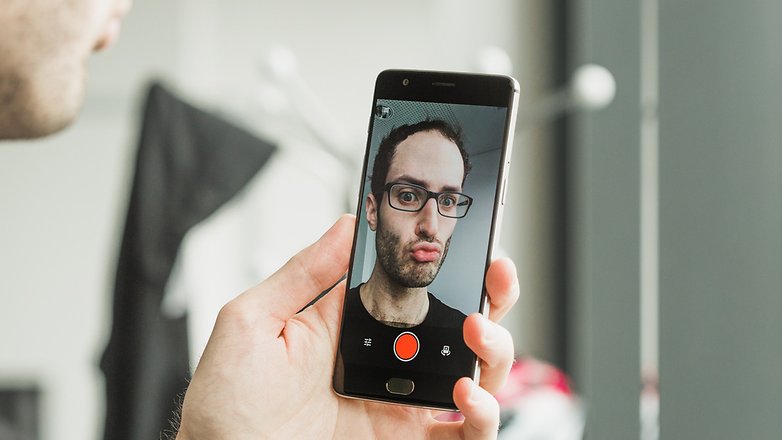
The front-facing camera uses an 8 MP Sony IMX179 sensor with
an aperture of f/2.0. It’s a decent selfie cam, with ‘Smile Capture’
mode setting off a three-second timer when you smile. I found image and
video quality was more than enough for daily needs.
OnePlus 3 battery
The OnePlus series has always had decently-sized
batteries. The OnePlus One has a 3,100 mAh unit, while the OnePlus 2 had
3,300 mAh of capacity. But there is a slight regression with the
OnePlus 3, which has only 3,000 mAh. This is a normal size if you go by
this year’s flagship cohort, but it’s strange that OnePlus decided to
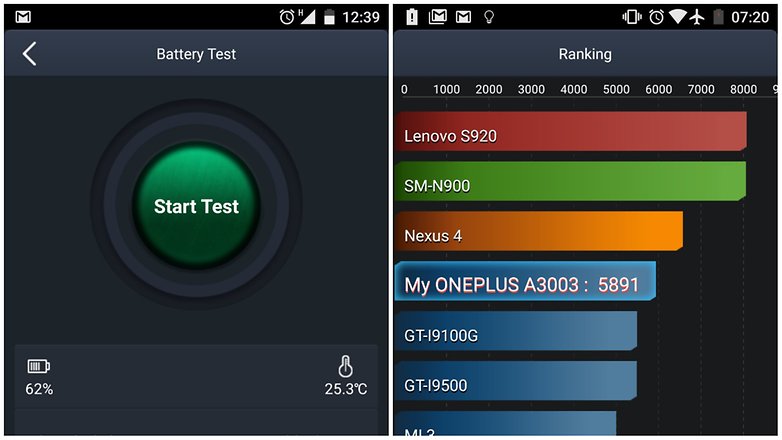
cut here. I benchmarked the OnePlus 3 battery using AnTuTu’s
battery tester, and it performed slightly worse than the Galaxy S7, but
better than the HTC 10, both of which have 3,000 mAh batteries. But the
OnePlus 3 does have a large display to power, so sticking with Full HD
resolution might be one of its saving graces during a time when QHD
displays are becoming more common.
Above you can see the benchmark score of 5891. I found
battery life to be relatively good, but I was charging it once a day
with regular use. This phone is powerful and does chew power when you
push it during gaming and YouTube sessions.Marshmallow’s battery
management capabilities, ported into OxygenOS 3.1.1, do help during
idle, and Dash Charge makes the recharging process less annoying. As I
mentioned in the Special Features section, you can juice up the OnePlus 3
to 50 percent capacity in less than 30 minutes.
Samsung reveals new smartphone will be unveiled on August 2nd
The Galaxy Note 7
Rumours have been circulating about Samsung's next Galaxy Note phone.
And there is good news for those eagerly anticipating the new device, as Samsung has revealed its launch date.
Samsung will host an event on August 2nd in New York where it will officially reveal the Note 7 smartphone.
NOTE 7 FEATURES
Dual curved display
Iris scanner for security and authentication purposes
Three colours - Black Onyx, Silver Titanium and Blue Cora.
5.7-inch Quad HD Super AMOLED display
6GB of RAM
3,600mAh to 4,000mAh battery
12 megapixel camera
Type-C USB port
Why This Name
While
the previous model was the Galaxy Note 5, Samsung is not releasing a
Note 6, and is instead jumping straight to the Note 7.
Explaining why on their website, Samsung wrote: 'Firstly, the Galaxy Note 7 will complement our Galaxy S7 and S7 edge, and unify our product portfolio.
'Second,
the Galaxy Note 7 will minimise confusion about the latest mobile
technology from Samsung, and provide full alignment with Galaxy S
smartphone


 The
smartphone sports the Dual 12 MP of the rear facing camera unit with
laser auto – focus, geo – tagging, touch – focus, panorama, HDR, face –
detection and Dual toned Dual LED Flash light features. The rear facing
primary camera is capable of the 1080p of HD video recording. In the
front there is presence of the 8 MP of the secondary camera and it is
also capable of the 1080p of HD video recording.
The
smartphone sports the Dual 12 MP of the rear facing camera unit with
laser auto – focus, geo – tagging, touch – focus, panorama, HDR, face –
detection and Dual toned Dual LED Flash light features. The rear facing
primary camera is capable of the 1080p of HD video recording. In the
front there is presence of the 8 MP of the secondary camera and it is
also capable of the 1080p of HD video recording.